
Back to Blog + News • Dance • Uncategorized
What Makes Contemporary Dance Different from Ballet, Jazz, and Hip Hop?
Published on: September 9, 2026
With so many styles of dance to choose from, finding the right class for your child can feel like a big decision. Ballet, jazz, hip hop, and contemporary dance each offer something different, from learning precise technique to developing musicality, creativity, and confidence.
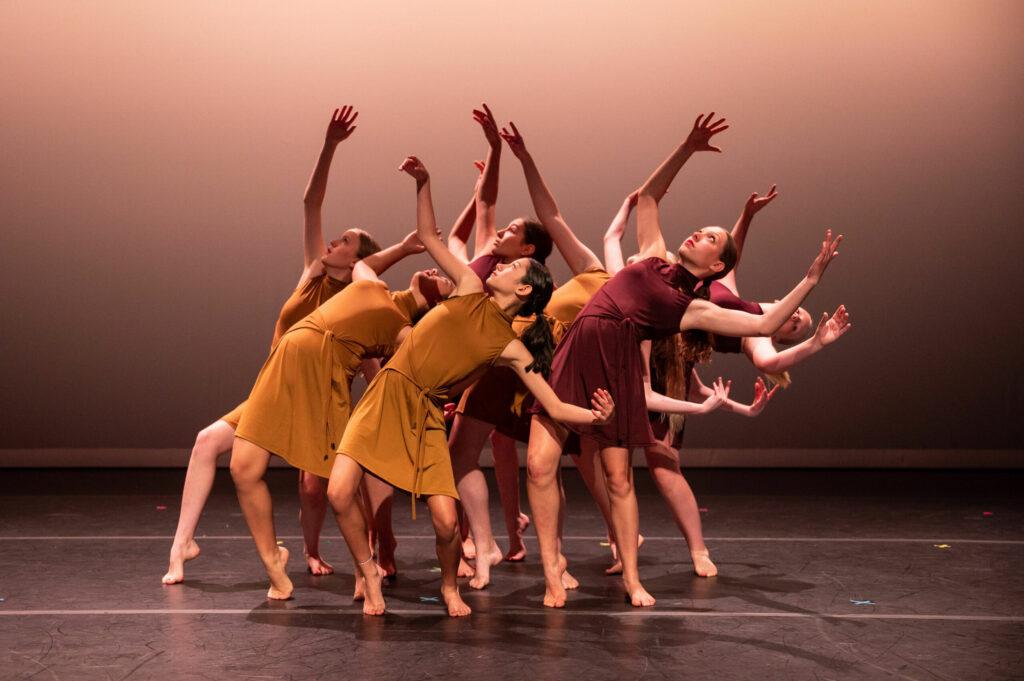
Contemporary dance is especially unique because it combines technical dance training with opportunities for creativity and individual expression. Instead of focusing only on specific steps or positions, contemporary dancers learn how to use movement to explore ideas, emotions, music, and the space around them.
If you’re exploring dance classes for kids, understanding how contemporary differs from ballet, jazz, and hip hop can help your child discover a style they’re excited to learn.
What Is Contemporary Dance?
Contemporary dance is a style centered around exploration, expression, and individuality.
While contemporary dance incorporates techniques and ideas from other dance forms, it gives dancers the freedom to explore how their bodies move through time and space. Classes may include floor work, partnering, improvisation, choreography, and exercises that encourage dancers to experiment with different qualities of movement.
Rather than always striving for one specific way to perform a movement, contemporary dance can encourage young dancers to make creative choices and develop their own artistic voices.
For kids, that combination of structure and creativity can make contemporary an exciting way to develop dance skills while building confidence and self-expression. At Mountain Kids, dance programming through Mountain Contemporary Dance Arts (MCDA) focuses on the artistic, technical, and creative development of each individual dancer.
Contemporary Dance vs. Ballet
Ballet is one of the most recognizable forms of dance and provides an important technical foundation for many dancers.
Ballet classes for kids typically emphasize alignment, posture, balance, strength, flexibility, musicality, and precise technique. Dancers learn an established vocabulary of positions and movements and work to perform them with increasing control.
Contemporary dance uses many of those same physical skills but approaches movement differently.
While ballet traditionally emphasizes an upright posture and carefully defined technique, contemporary dance may involve moving on and off balance, working closer to the floor, shifting weight, or experimenting with momentum and gravity.
Contemporary dancers also have more opportunities to explore improvisation and individual interpretation.
The two styles don’t have to be an either-or decision. Ballet can help dancers develop strength, alignment, and control, while contemporary gives them another setting in which to apply those skills creatively.
Contemporary Dance vs. Jazz
Jazz and contemporary dance can sometimes look similar, particularly because both styles allow for expressive movement and varied choreography. However, their movement qualities and areas of focus can be quite different.
Jazz dance often emphasizes rhythm, stylized footwork, leaps, turns, and energetic combinations. Depending on the choreography, movements may be sharp and percussive or smooth and lyrical.
Contemporary dance generally puts more emphasis on exploration and individuality. Dancers may work with floor movement, changes in weight, improvisation, partnering, and different ways of moving through space.
Both styles can help children develop musicality, coordination, strength, and performance skills. Taking both can also help young dancers become more versatile and comfortable with different types of movement.
Contemporary Dance vs. Hip Hop
Hip hop brings another distinctive style and energy to dance.
Hip hop dance classes for kids often incorporate rhythmic footwork, isolations, grooves, funk styles, and energetic choreography. Rhythm and individual style play an important role, giving dancers opportunities to develop musicality and confidence.
Contemporary dance also encourages individuality, but the way dancers interact with music and movement can be very different.
A contemporary dancer might respond to the melody, emotion, rhythm, or overall idea behind a piece of music. Movement can shift between fast and slow, powerful and soft, or controlled and released.
Hip hop and contemporary both give young dancers opportunities to express themselves, but they do so through distinct movement vocabularies and traditions.
What Skills Does Contemporary Dance Help Kids Develop?
Like other forms of dance, contemporary provides children with an opportunity to develop physical skills while also challenging them creatively and mentally.
Some of the skills young dancers can develop include:
- Coordination: Learning how different parts of the body work together through increasingly complex movements.
- Strength and flexibility: Building the physical foundation needed to move safely and confidently.
- Balance and body awareness: Understanding how weight, momentum, and positioning affect movement.
- Musicality: Exploring different ways movement can relate to rhythm, tempo, melody, and energy.
- Creativity: Using improvisation and movement exploration to discover new ways of expressing ideas.
- Confidence: Becoming more comfortable learning new skills and expressing individuality.
- Collaboration: Working alongside other dancers through partnering, choreography, and group exercises.
These skills can support children both inside and outside of the dance studio as they learn how to take on challenges, explore new ideas, and express themselves with greater confidence.
Which Dance Style Is Best for Your Child?
There isn’t a single dance style that’s right for every child. Finding a good fit often comes down to your child’s interests, personality, and the type of movement they enjoy most.
Children who like structure and precision may be drawn to ballet. Kids who enjoy energetic choreography, turns, leaps, and theatrical movement may love jazz. Those who connect with rhythm, grooves, and high-energy movement might feel at home in hip hop. And children who love experimenting with movement, creativity, and self-expression may find contemporary dance especially rewarding.
Your child also doesn’t necessarily need to pick just one.
Exploring multiple styles of dance can expose kids to new challenges and help them become more well-rounded movers. They might discover that they love the technique of ballet, the energy of jazz, the rhythm of hip hop, and the creative freedom of contemporary for completely different reasons.
Age can also play a role in finding the right class. Toddlers may begin with classes centered around movement, music, and exploration, while elementary and middle school aged kids can start developing skills across different dance styles. Teens may have opportunities to build more advanced technique, artistry, and performance skills.
More Than Learning Dance Steps
No matter which style catches your child’s interest, dance can provide much more than an opportunity to learn choreography.
At Mountain Kids, movement is about helping children grow into happy, confident, and strong individuals. Dance gives kids opportunities to challenge themselves physically, express their creativity, connect with others, and experience the satisfaction of learning something new.
Those experiences can help build confidence and resilience that extend far beyond the dance studio.
Explore Dance Classes for Kids in Louisville, CO
Mountain Kids offers dance classes for children and teens in Louisville, Colorado, with options for dancers at different ages and experience levels.
From introductory movement classes for young children to ballet, contemporary, hip hop, jazz, modern, tap, and additional styles for older dancers, kids have opportunities to explore movement and discover the styles they enjoy most.
Whether your child is already passionate about dance or is just beginning to explore it, the most important thing is finding an environment where they feel comfortable moving, learning, and trying new things.